
Exhibitor Management
How can expo organizers sell trade show booths online without endless back and forth emails?
Letting exhibitors pick and reserve booths from a live map so you stop fielding availability questions.
Practical, honest advice from the team behind BoothBookr, written to help you do this well.
Letting exhibitors pick and reserve booths from a live map so you stop fielding availability questions.

Keeping one live floor plan so a booth becomes unavailable the moment it is claimed by someone.
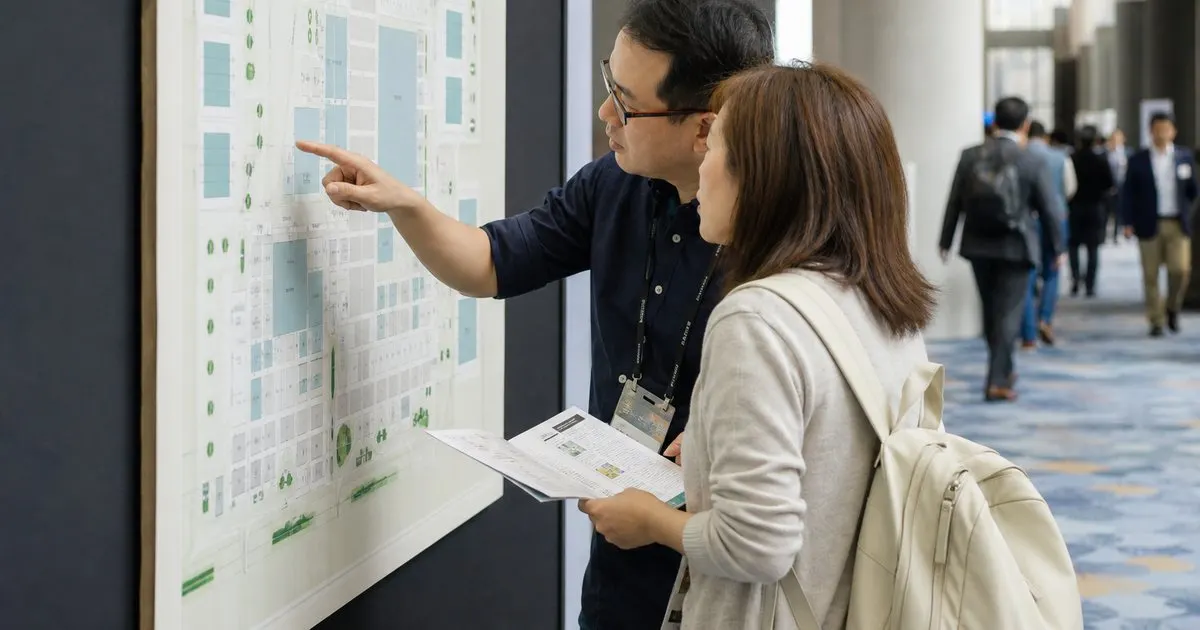
The elements that turn a static map into a tool exhibitors want to browse and organizers can trust.

Why taking payment at booking turns a soft hold into a firm commitment that protects your floor.

Attaching contacts, needs, and details to each booth so nothing about a vendor gets scattered.

Holding key spots for partners without blocking the self serve booking that fills the room.

Saving a proven layout so a recurring event starts from a working floor rather than a blank page.

Setting booth prices that reflect real location value so premium spots and standard spots both sell.

Where a booking tool fits a weekend market or craft fair, and where a simple approach is enough.
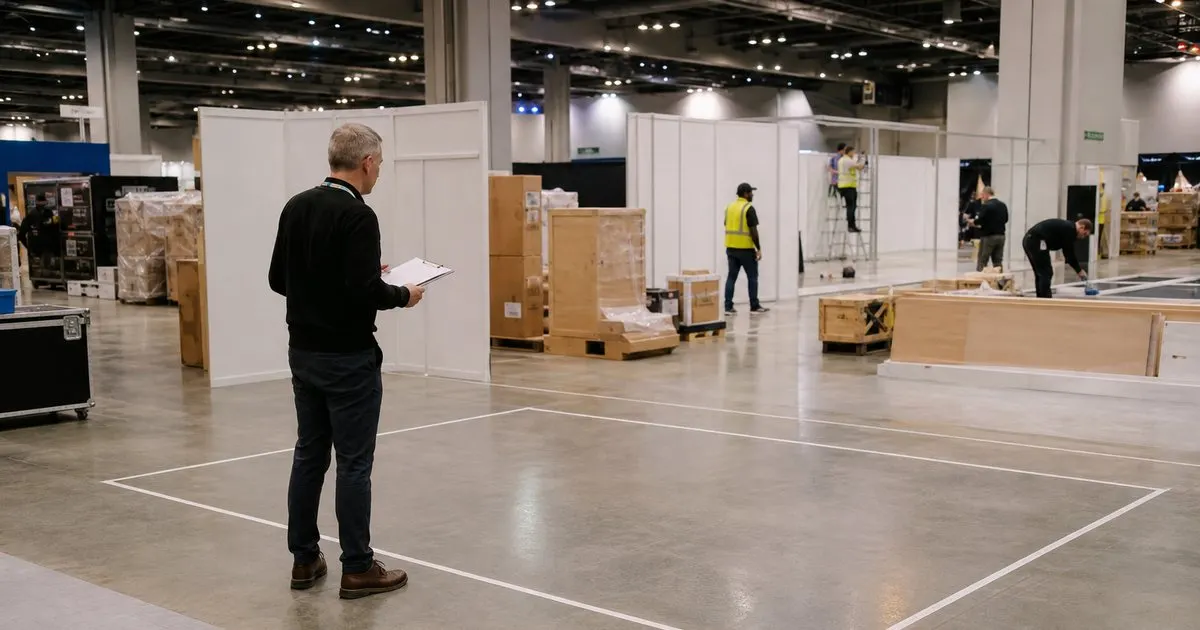
Late cancellations hurt the floor plan and the budget. Here is a calm, repeatable process for handling them without souring the relationship or leaving a hole in the hall.

A sold-out floor is good news, but the waitlist behind it is where next year's growth lives. Here is how to keep it fair, fast, and worth joining.

Opening sales early locks in revenue and momentum, but opening before the essentials are settled creates refunds and rework. Here is how to pick the date.
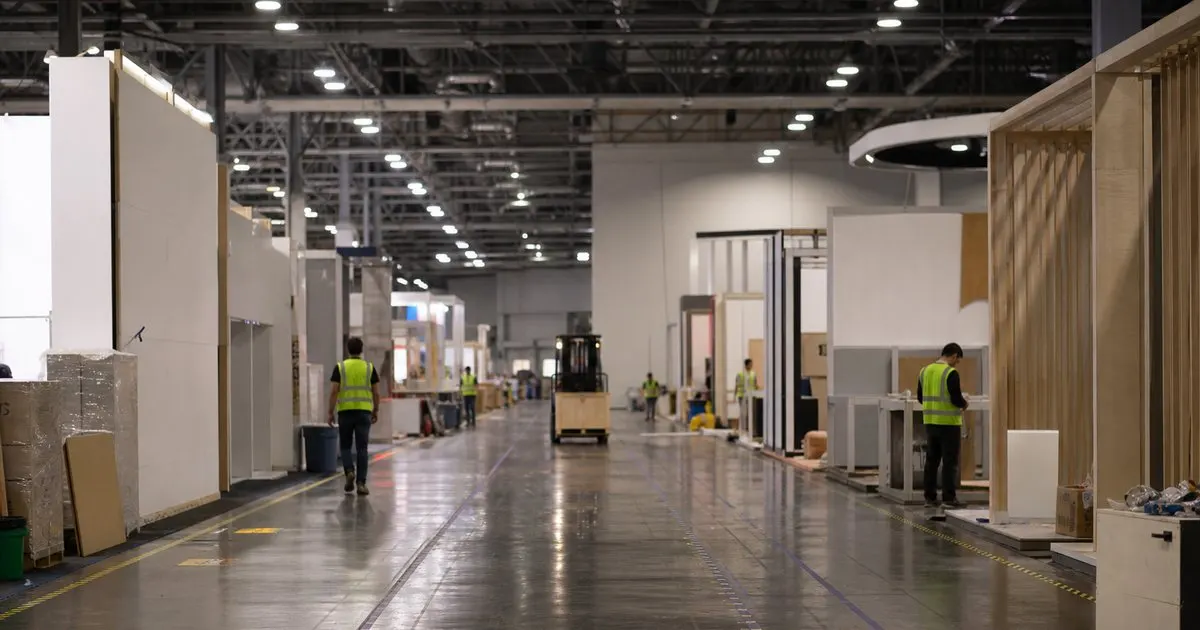
Aisle width decides whether your floor feels generous or gridlocked, and it is the first thing a fire marshal checks. Here is how to size it before you draw a single booth.
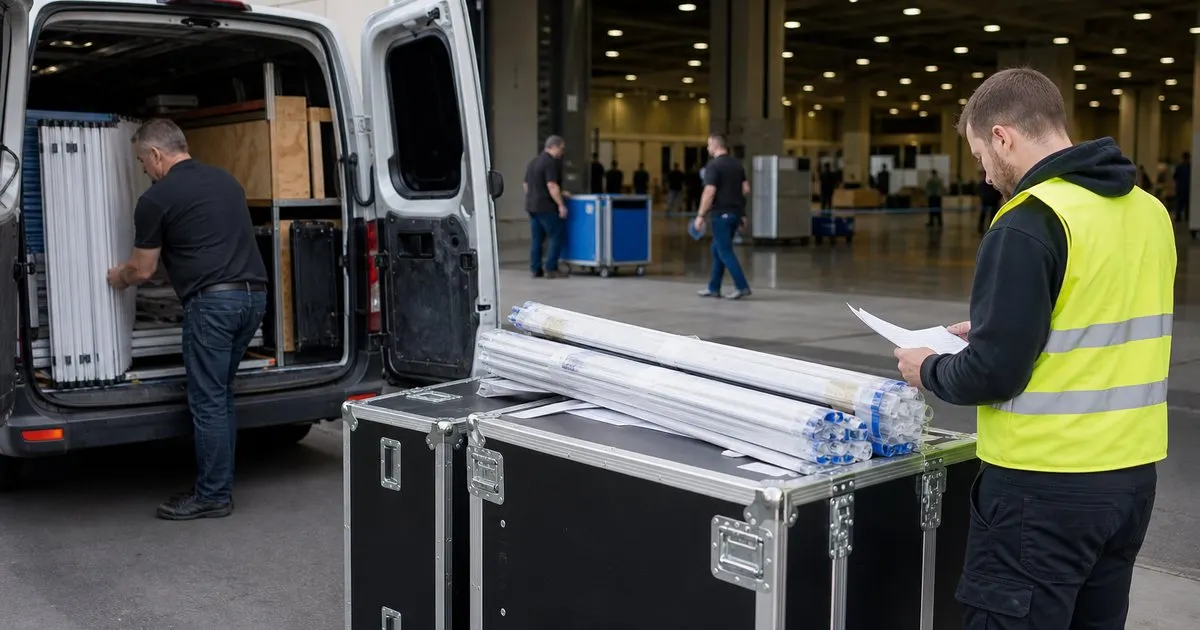
The confirmation email is the document exhibitors actually read. If it carries the right details, half of your show-week support questions disappear before they are asked.
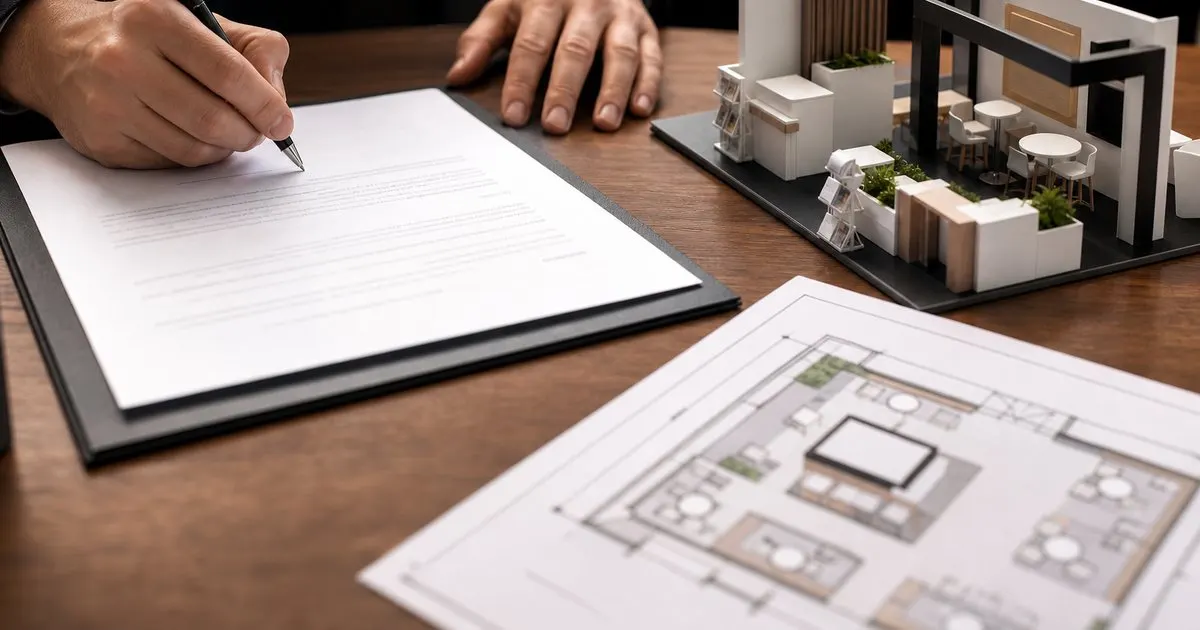
Payment secures the money. The agreement secures everything else: the rules, the risk, and the answer to every dispute. Here is why the two are not interchangeable.

On-site rebooking is the highest-converting sales window most organizers ever get. Here is how to run it without a chaotic table and a stack of paper forms.
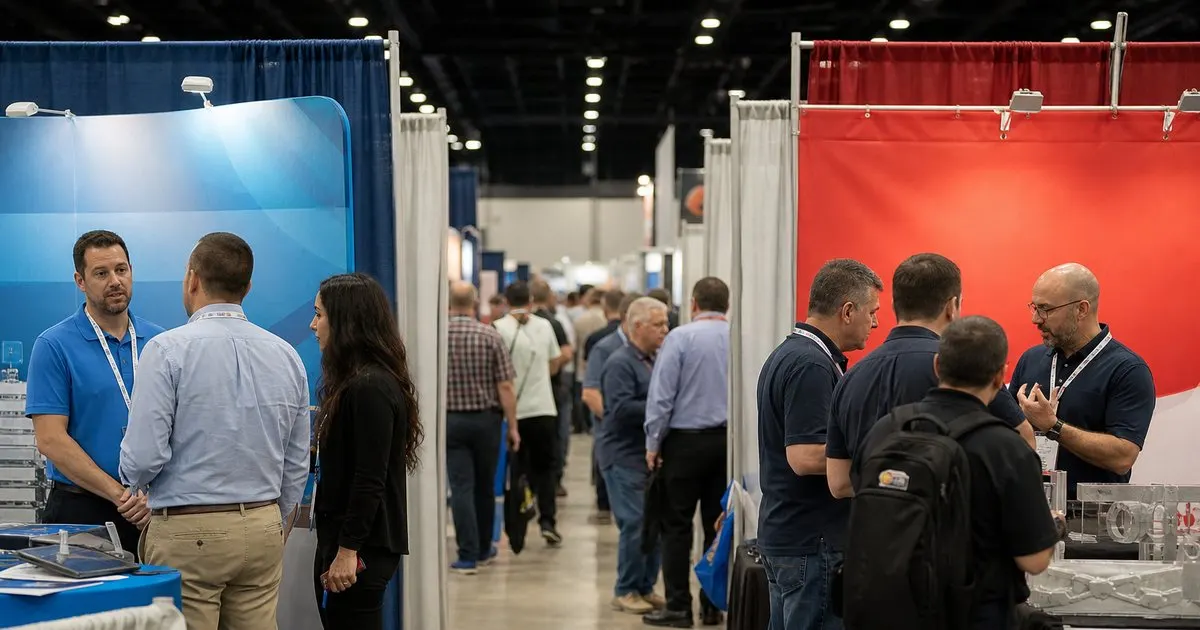
Nobody wants to spend three days shouting over a direct competitor. Here is how organizers manage competitor separation without freezing the floor plan.
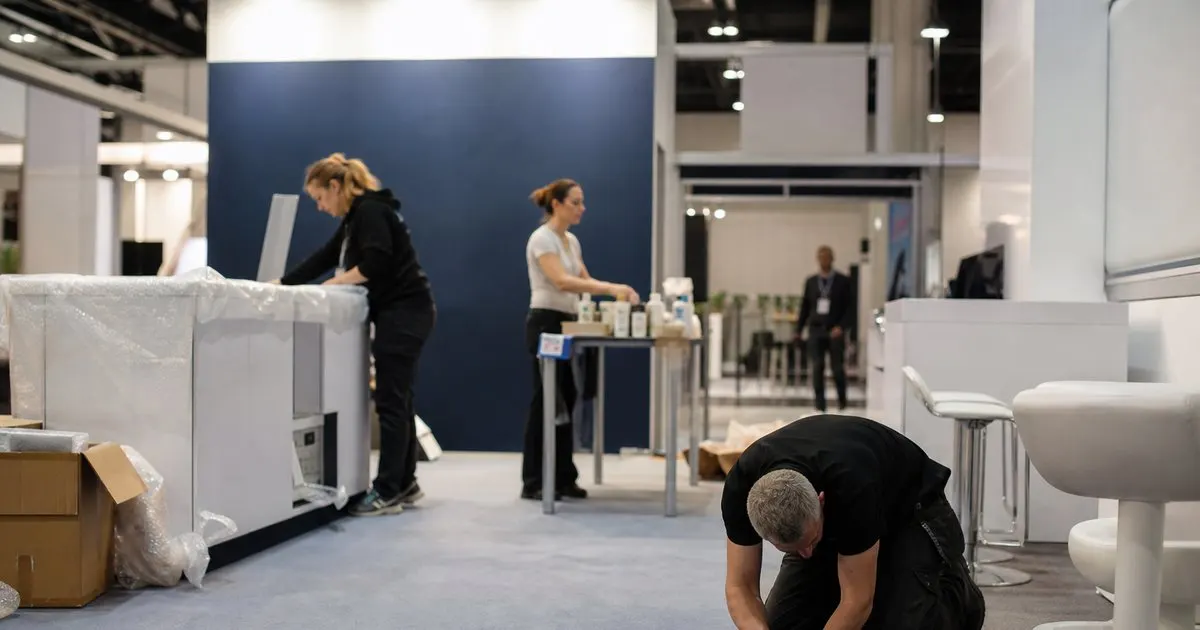
Add-ons are real revenue and a real service, but a checkout page with forty options kills conversions. Here is how to split what belongs in the booking flow from what belongs elsewhere.
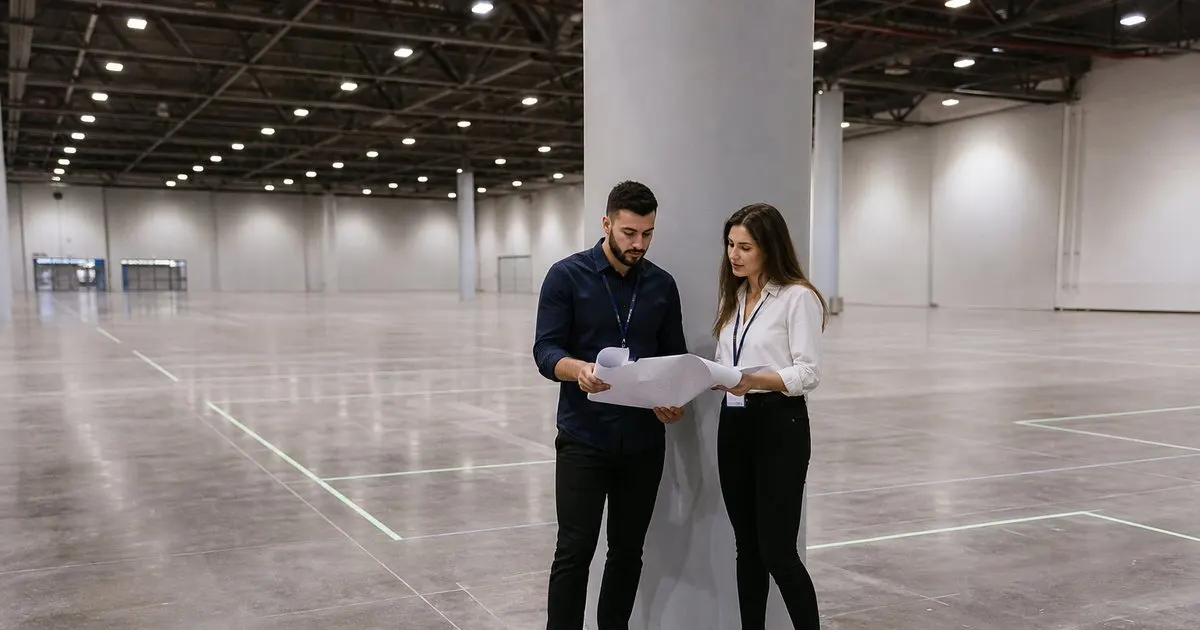
A column reappears on the drawing, a fire lane shifts, or the venue reassigns half your hall six weeks out. Here is how to redraw the plan and relocate exhibitors without breaking trust or double-booking anyone.

Insurance paperwork is the last thing an exhibitor thinks about and the first thing a venue asks for. A precise spec, an early ask and a fixed reminder schedule handle most of it without anyone chasing.